

Cervical facet radiofrequency neurotomy overview
Longer-lasting treatment for cervical facet joint pain
Cervical radiofrequency neurotomy (RFN) is a procedure used to relieve pain in the neck and upper back arising from the facet joints. The term ‘neurotomy’ refers to a medical procedure that modifies the function of a nerve. The technique uses radio waves to generate heat at around 85°C. This heat is applied through a thin needle to a very small area of nerve tissue, preventing the nerve from transmitting pain signals to the spinal cord and brain without completely destroying it.
In many cases, radiofrequency neurotomy may provide longer-lasting pain relief than treatments such as nerve blocks and other injections. The procedure is generally preceded by a diagnostic nerve block to determine whether a specific nerve is responsible for the pain. If the nerve block produces a significant reduction in pain, radiofrequency neurotomy may be recommended as a longer-lasting treatment.
Radiofrequency neurotomy is also known as radiofrequency ablation, radiofrequency denervation, radiofrequency lesioning, radiofrequency rhizolysis or radiofrequency rhizotomy. These terms describe the same procedure.
After treatment, the nerve tissue slowly regenerates over a period of approximately six months to two years. If the pain returns, the procedure may need to be repeated. Around 60% of people who undergo the procedure report pain relief lasting for one year or more.
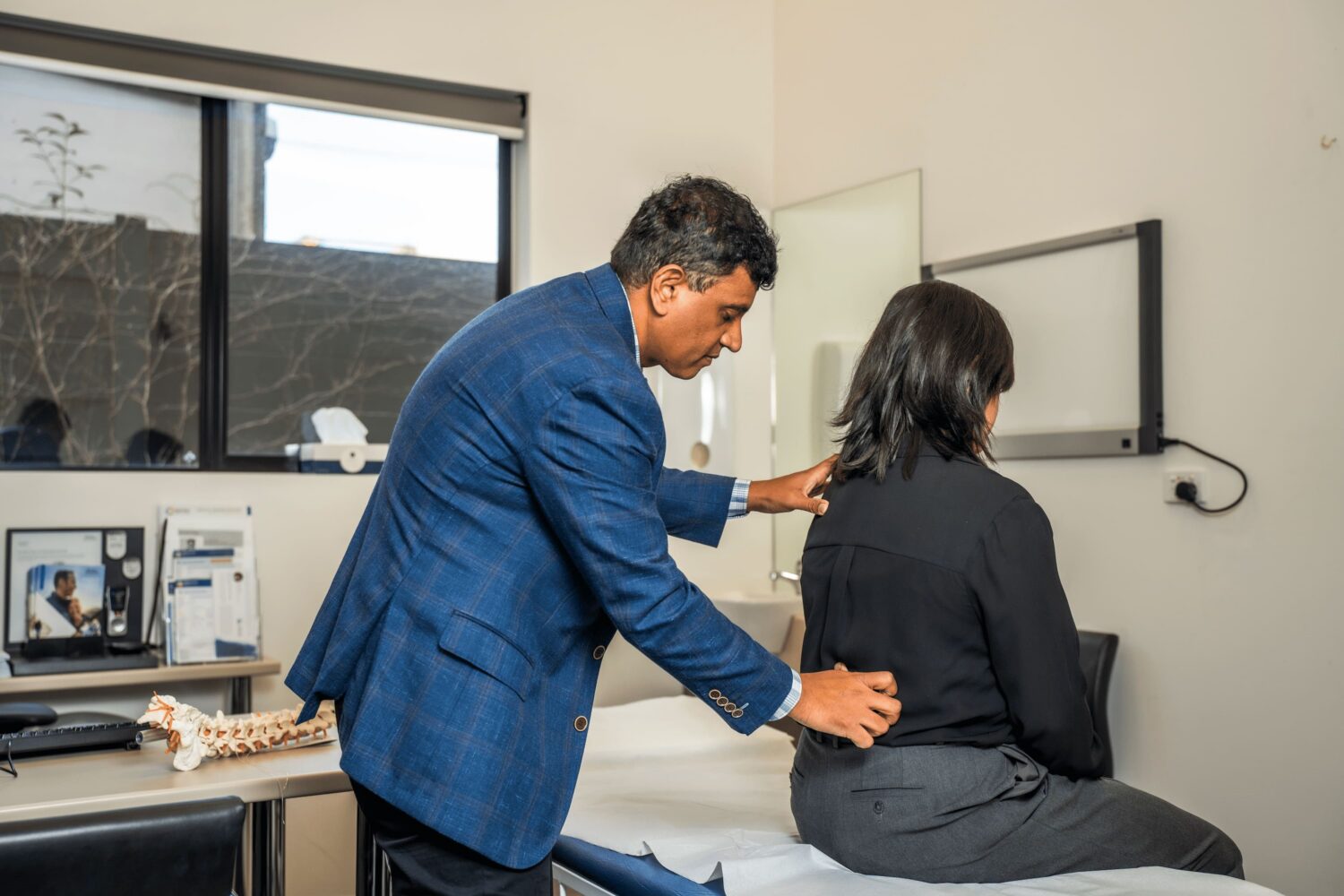
Cervical facet radiofrequency neurotomy indications and preparation
Preparing for cervical radiofrequency neurotomy
Cervical facet radiofrequency neurotomy may be recommended for:
- Facet joint syndrome, often associated with whiplash injury.
- Back pain.
- Pain following previous spinal surgery.
- Arthritis, particularly osteoarthritis affecting the facet joints.
You should avoid undergoing any other medical procedures, such as dental treatment or a colonoscopy, within 48 hours before or after the procedure.
You should also:
- Not eat or drink anything during the 6 hours immediately before the procedure. Regular medication may be taken with small sips of water.
- Not take diabetes medication until after the procedure.
- Not drive yourself to or from the appointment.
Please let us know ahead of the procedure if:
- You are taking any antibiotics.
- You have a pacemaker or defibrillator.
- You are ill, in which case we may need to postpone the procedure.
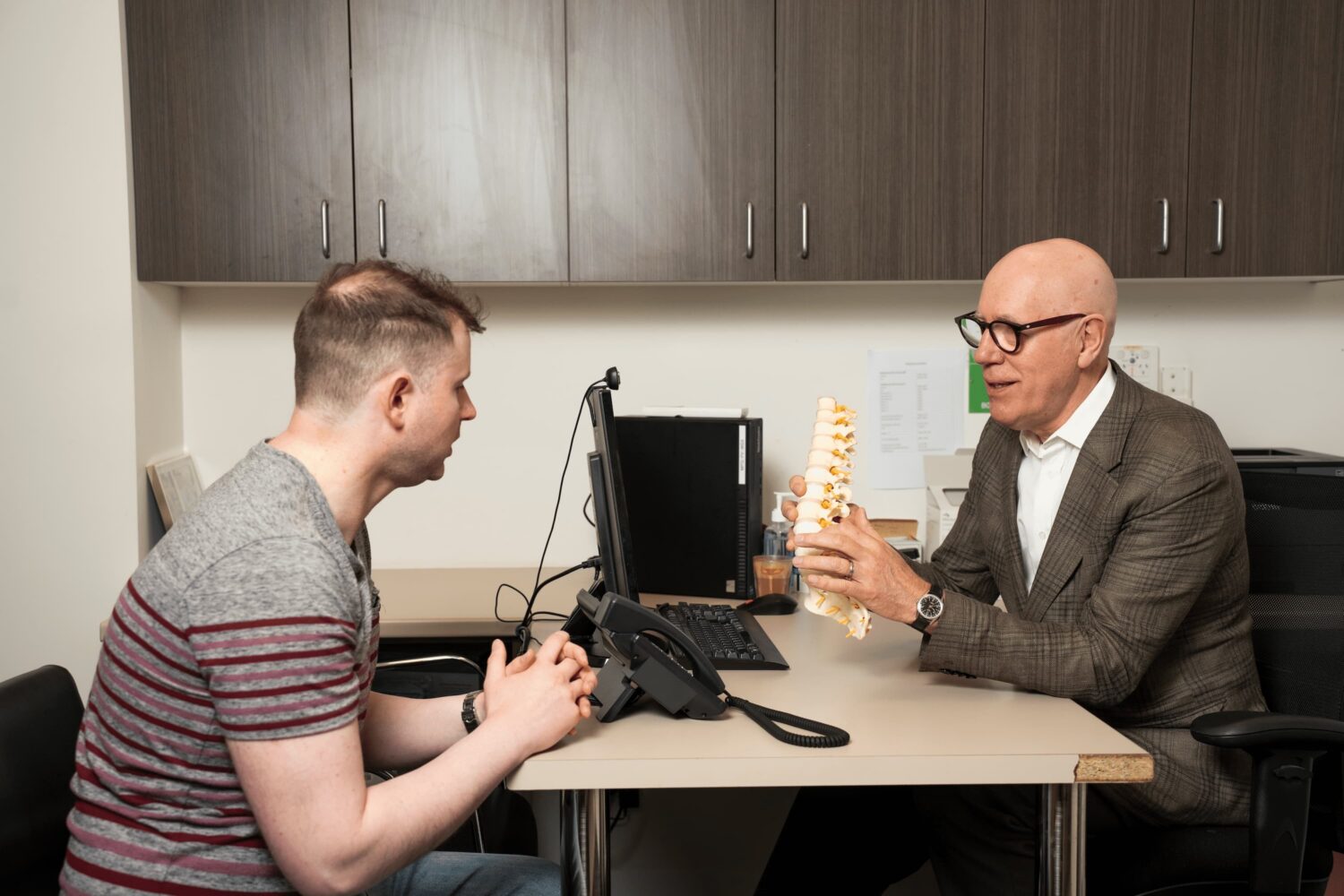
After your cervical facet radiofrequency neurotomy
Recovery and activity after the procedure
After the procedure you are able to return home. There is no restriction on day-to-day activities, although, as advised above, due to the sedation you should not drive a vehicle for at least 24 hours after the procedure (so it is a good idea to have someone drive you to and from the appointment). You should also avoid any strenuous activity for a few days.
In some cases, there may be some pain or discomfort (sometimes a sensation similar to sunburn) and/or bruising to the skin at the injection site, which may last for about a week.
Ready to take the next step?
 Comprehensive pain assessments
 Individual treatment planning
 Medication review and optimisation