
Lower back pain overview
Why lower back pain is so common
In Australia the vast majority of people, around 80%, will have lower back pain at some point in their lives.
In most cases lower back pain, sometimes referred to as ‘lumbago’, gets better without any medical treatment. However, some cases may require treatment ranging from over-the-counter medication for pain and inflammation to physical therapy or spinal injections.
Opioid medications should not be used for most forms of back pain, and surgery should only be reserved for significant structural or medical problems causing back pain.
Types and diagnosis of lower back pain
Identifying what is causing lower back pain
Lower back pain is classified into two types according to what is causing the pain.
- Mechanical lower back pain – Refers to pain resulting from inflammation caused by injury or irritation to structures such as the facet joints, discs, ligaments or muscles, or where one vertebra slips out of place, called spondylolisthesis. Mechanical lower back pain may also be caused by infections or tumours in or near the spine.
- Neuropathic lower back pain – Describes where a nerve root is compressed or irritated, sometimes referred to as a ‘pinched nerve’, by a herniated disc or an osteophyte. Pain will often radiate from the lower back down the leg or legs, which is known as sciatica.

Lower back pain diagnosis and assessment
Finding the cause before treatment begins
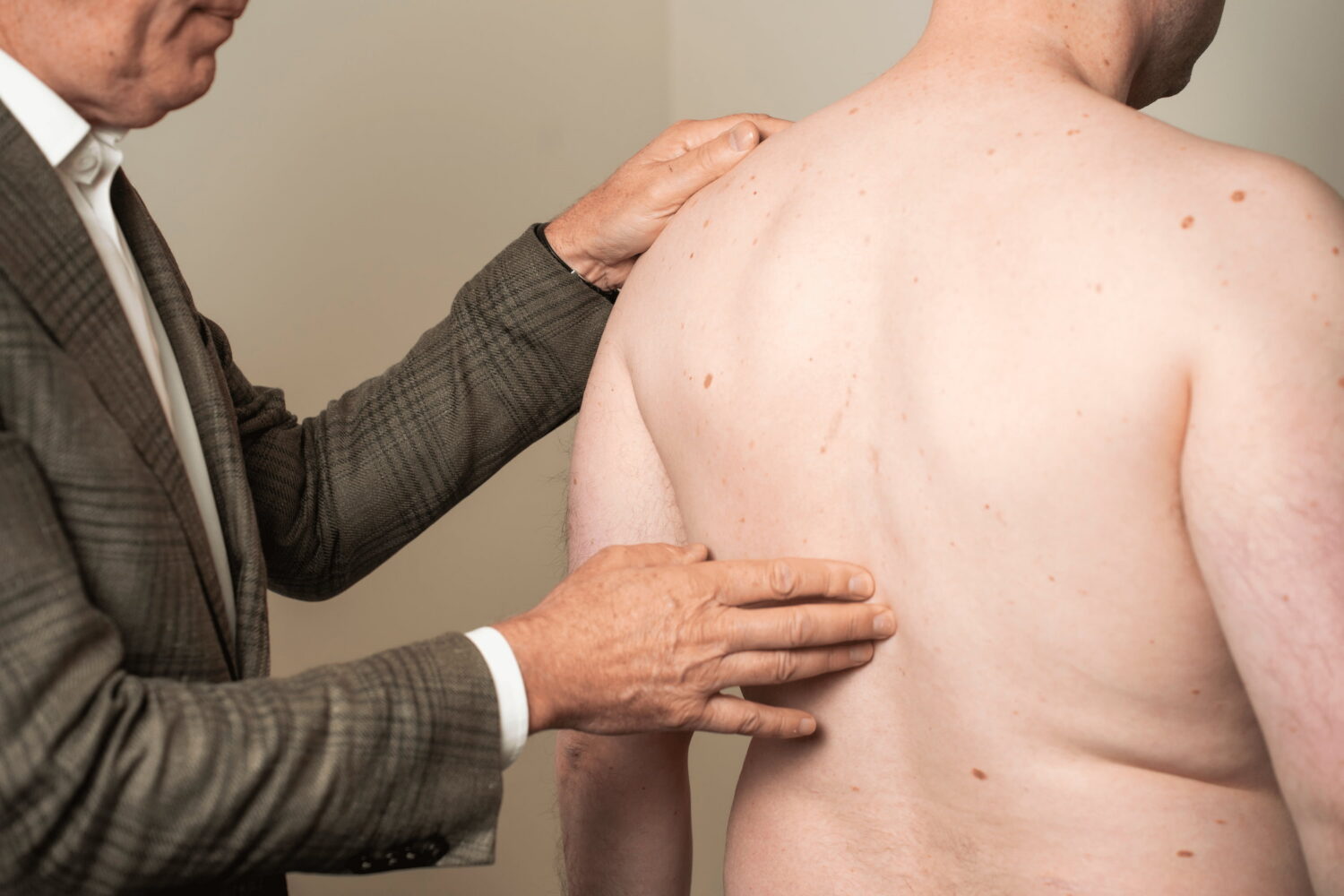
Because the spine is such a complex composite structure, correct diagnosis needs to be made by a doctor before any treatment is offered.
Most of the time, expensive imaging is not needed to make the diagnosis, but should be reserved for cases where the doctor suspects fracture, infection, tumour or significant structural abnormality.
Appropriate treatment will depend on the cause and severity of the pain.
Ready to take the next step?
 Comprehensive pain assessments
 Individual treatment planning
 Medication review and optimisation