

Cancer Pain overview
Understanding pain associated with cancer
Cancer is common in Australia and around the world. Many people experience pain at some stage of their cancer journey, whether before diagnosis, during treatment or after treatment has been completed.
Cancer-related pain can vary considerably between people and may be classified according to how long it lasts and the underlying mechanism causing the pain.

Cancer pain duration and patterns
How long can cancer pain last?
Continuous pain is regarded as ‘chronic’ if it continues for longer than 3-6 months and ‘acute’ if it continues for a shorter period than this. If pain only occurs when making a particular movement (for example sitting down or standing up) this is described as ‘incident pain’, which may be severe, but subsides relatively quickly.
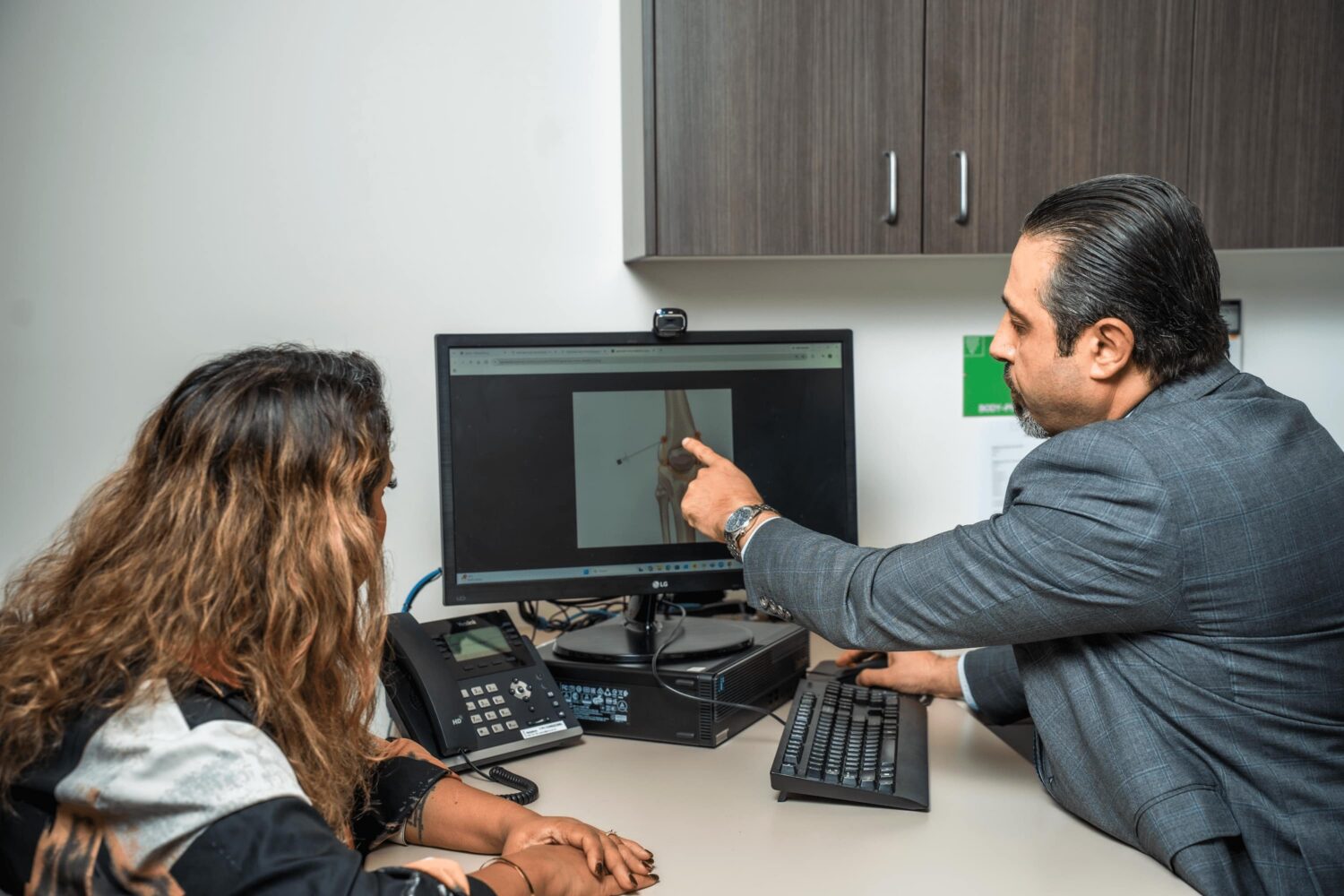
Common causes of cancer pain
What can cause cancer-related pain?
Pain during or after cancer can arise from the disease itself, its treatment or conditions unrelated to cancer. Common causes of cancer pain are:
- Pain from the tumour itself – Tumours may cause pain by pressing on or damaging nerves, organs, bones or surrounding tissues.
- Pain due to treatment – Surgery, chemotherapy and radiotherapy can sometimes cause pain during treatment or after treatment has finished.
- Pain unrelated to cancer – People with cancer may also experience common pain conditions, such as back pain, that are unrelated to their cancer.

Cancer pain management and treatment
Getting the right support for cancer pain
The first step in managing cancer pain is to report it to your treating healthcare team. GPs, oncologists, pain medicine specialists and palliative care physicians can all play a role in assessing and managing pain.
Many types of cancer pain can be managed with medication, while treating the cancer itself may also reduce pain. Where pain remains uncontrolled, other approaches such as nerve block injections or implantable treatments may be considered when clinically appropriate.
Referral to a pain medicine specialist can provide additional assessment and treatment options, helping patients manage pain while continuing with their broader cancer treatment and recovery.

Ready to take the next step?
 Comprehensive pain assessments
 Individual treatment planning
 Medication review and optimisation